Essential guidance on water safety
The water supports so many of the activities we love, but can be dangerous to even the strongest swimmer – with 400 people drowning in the UK each year. So, keep this vital advice in mind whenever you enter the water (with or without Sea Cadets) and share your water safety knowledge with friends and family.

Respect the water
Beware of over confidence. Water is powerful, unpredictable and unforgiving of mistakes – like underestimating how cold it can feel. Cold water shock is lethal in summer, when hitting water of 15°C or below will make anyone gasp for air and panic.
‘Float to live’ by tilting your head back with ears submerged (to aid breathing) while spreading and gently moving limbs to help you float. For any difficulty while in the water, try to stay calm, float, and make yourself seen or heard. Don’t use up energy trying to swim against waves or currents.
Reduce your risks
Once you know how and where to exit the water safely, enter slowly to help your body acclimatise to the temperature. Only dive or jump when you know the water’s depth and have checked for submerged rocks, ledges or other obstacles.
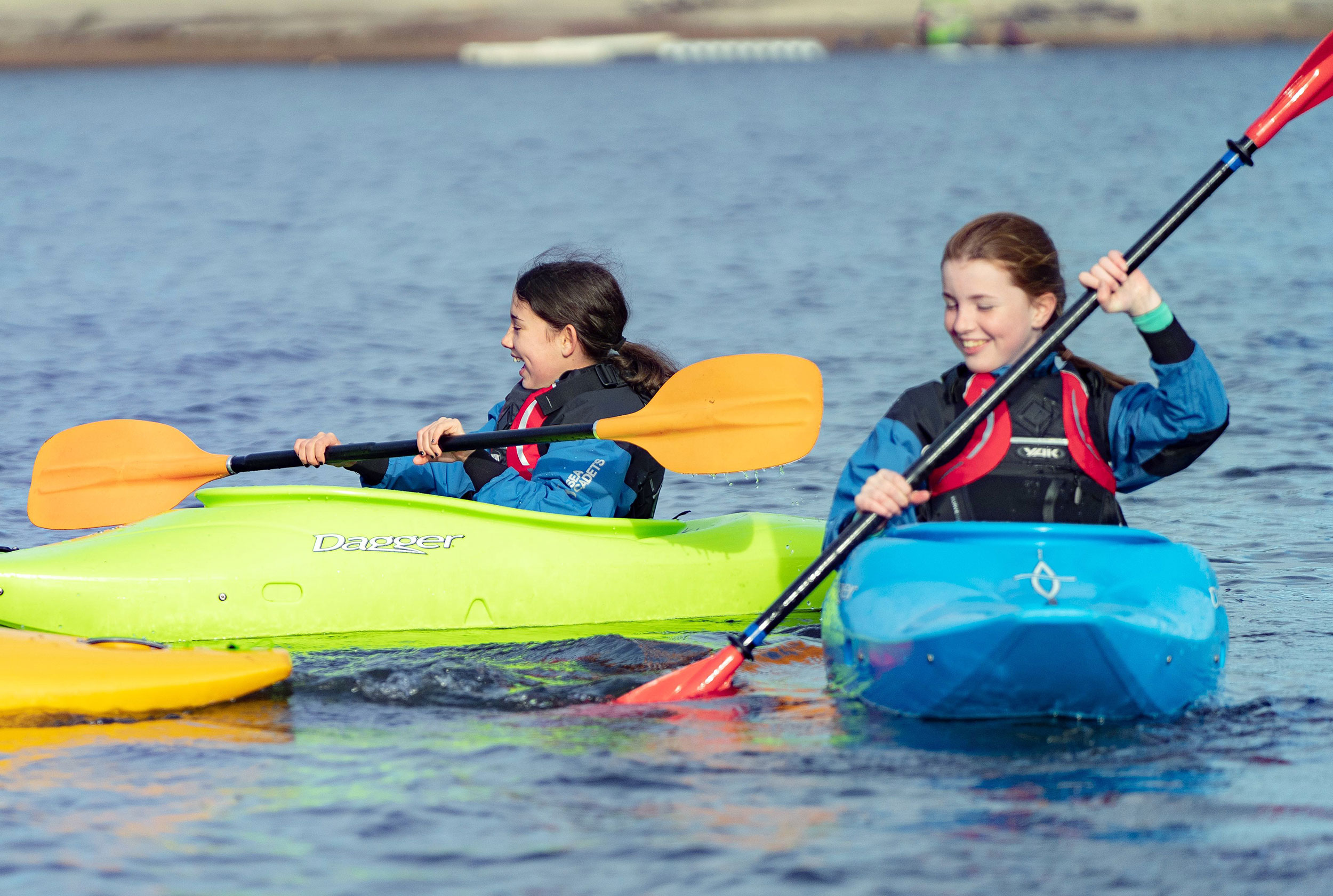
Avoid entering the water near signs of pollution and watch for the impact of weather – such as high river levels after heavy rain. When paddling, look out for currents and hazards and remember: if you can’t see your instructor, they can’t see you – so never stray too far.
Remember safety kit
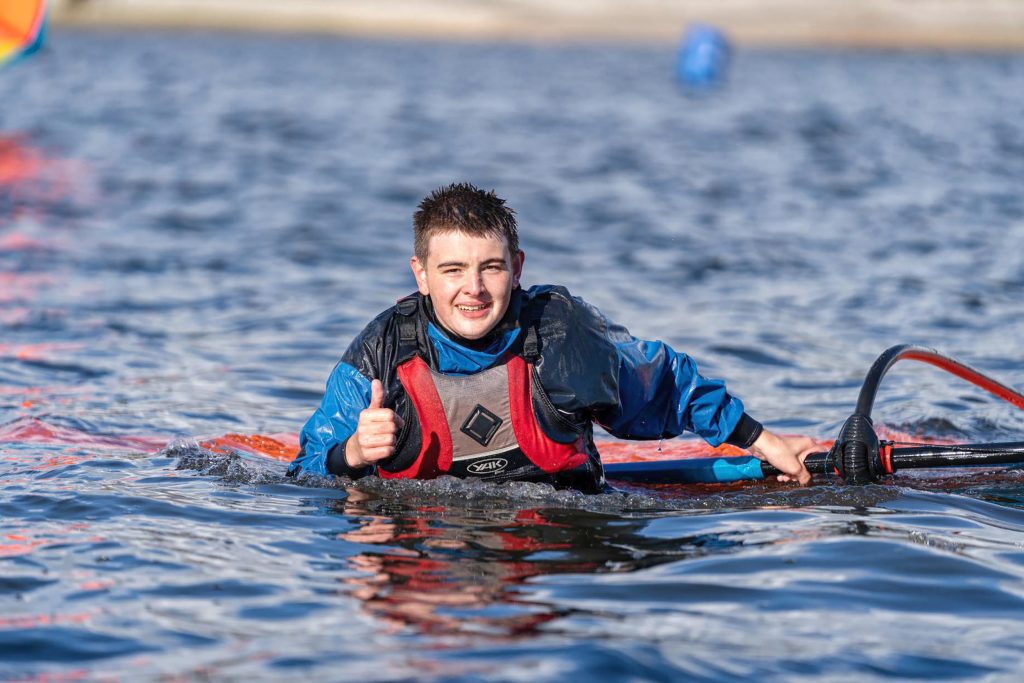
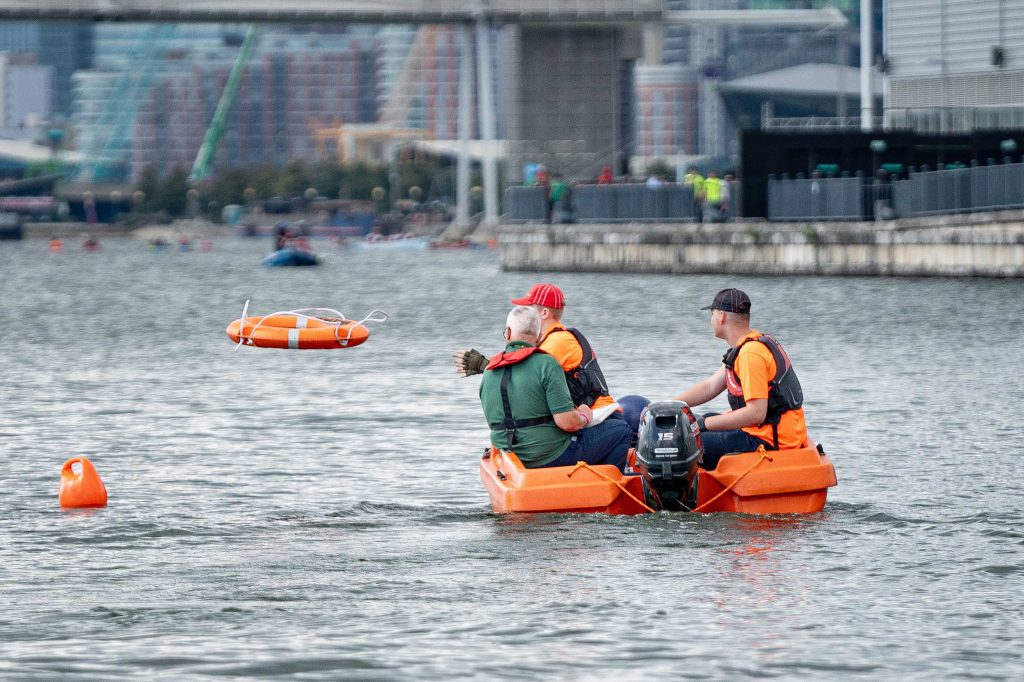
Buoyancy aids are crucial for keeping your head above water. And some sailing and paddlesports will require a helmet. Safety equipment such as rescue lines (‘throw bags’) or life rings should always be close by – but make sure you know how to use it.
Don’t swim in inappropriate heavy clothing and use a wet suit if you’ll be in the water for a long time. Having towels and dry clothing at hand is important for avoiding a body temperature ‘aftershock’ after you get out.
Know your limits
If you are new to a location or activity, don’t push yourself too far. If you feel unsure, unsafe or unwell at any point, always alert an instructor – they will be happy to help!
Shout to attract help if you get into difficulties – but learn hand or torch distress signals in case you can’t be heard.

Be ready to help
Be conscious of those around you and ready to raise the alarm about risks or dangers. If you see someone in trouble, call for help; tell them to stay calm and float; and throw them rescue equipment. Fight your instinct to dive in and try to help – it could put you in danger too.
Photos: Sea Cadets
More Advice

Volunteer spotlight: Communications Team
MSSC’s Communications Team is proud to help our volunteers be the best possible ambassadors for our organisation – bringing their unit’s stories to life and enhancing their profile and reputation

So you want to be an…executive chef at a top restaurant?
Former sea cadet Daniel Heffy has worked in several Michelin-starred restaurants and was selected to represent the North West on the BBC’s ‘Great British Menu’. Now Executive Chef at NORD in Liverpool, he has a reputation for producing exceptional cuisine from local and seasonal ingredients