
So you want to be an…executive chef at a top restaurant?
Former sea cadet Daniel Heffy has worked in several Michelin-starred restaurants and was selected to represent the North West on the BBC’s 'Great British Menu'. Now Executive Chef at NORD in Liverpool, he has a reputation for producing exceptional cuisine from local and seasonal ingredients
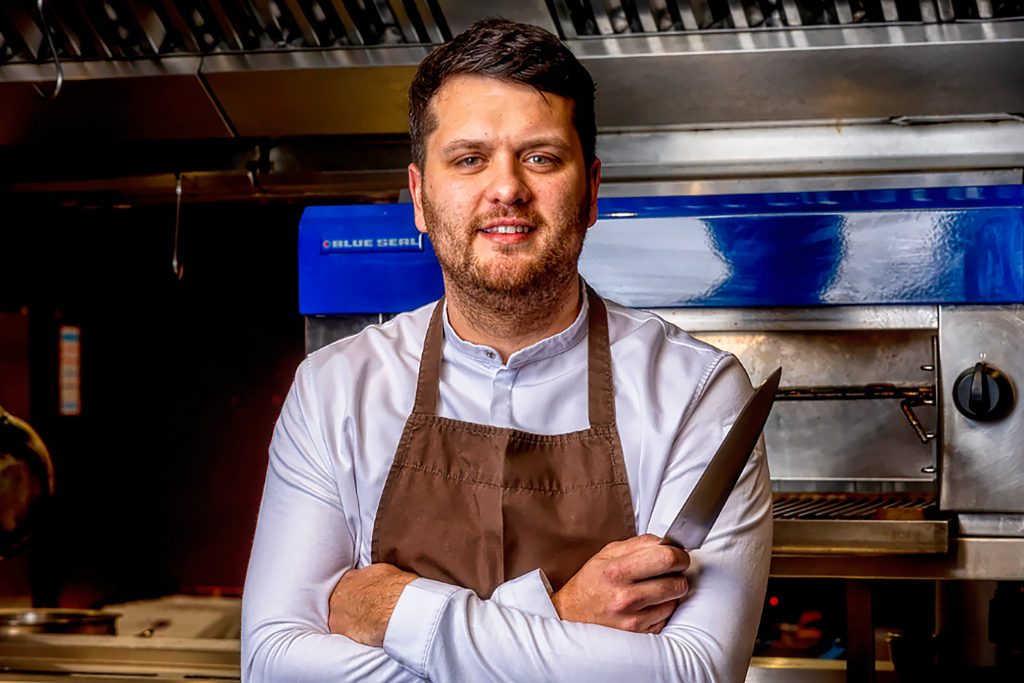
What impact did Sea Cadets have on you?
I started at 12 or 13 and I stayed until I aged out at 18. I always felt proud putting on my uniform and have very fond memories. I think the time I was in cadets was perfect – thanks to the advice we received from staff.
Lt Cdr (SCC) Mike Farrell was my CO at Huyton With Roby Unit and was the key person in my life apart from my parents. He knew when you needed support or guidance; when you needed encouragement; and when you needed discipline.
Cadets prepares you for life. The staff were hard on us at times, but it worked – the biggest things you learn as a cadet are discipline, respect and maturity.
What did you enjoy most about your Sea Cadets Experience??
It felt like a separate part of my life: its own world, with different friends, and that’s what I loved about it. It shaped who I am. I did a bit of everything; I went on summer camps and did loads of rowing and sailing. I always wanted a challenge!
Gaining my Gold Wings for aviation was about proving myself – only a tiny number get onto that course each year. I also signed up for officer training at Dartmouth. I was sitting at breakfast with CCF cadets discussing politics, thinking, “I have got no idea what you’re talking about!” But then in leadership tasks, I topped the group.

When did you discover a passion for catering?
Catering came a bit later, around 15 or 16. I went away for training on two ships – HMS Mounts Bay and HMS Iron Duke – where I worked in the kitchens and really enjoyed it. After that, I would organise dinners for the unit – like Trafalgar Night – or for external events. We did everything from start to finish with barely any help.
Another cadet, Luke (who is still a friend today) and I would spend a week planning; cleaning the unit, teaching the others what they needed to do, then organising and cooking the food. That responsibility was massive, but we thrived on it.
When did you want to become a chef, and which skill is most helpful in your career?
I actually wanted to be an officer in the Navy, that was the goal. But I wasn’t ready to leave home at 16 – it felt like too big a jump. So I went to catering college and, well, I’m still learning every day!
My biggest strength in a kitchen is being able to solve problems when things go wrong. The ability to remain calm and in control is an essential. That comes straight from Sea Cadets. When you’re a leading cadet and you have 10 to 15 younger ones waiting to be told what to do, you learn fast. That has stayed with me all through my career.
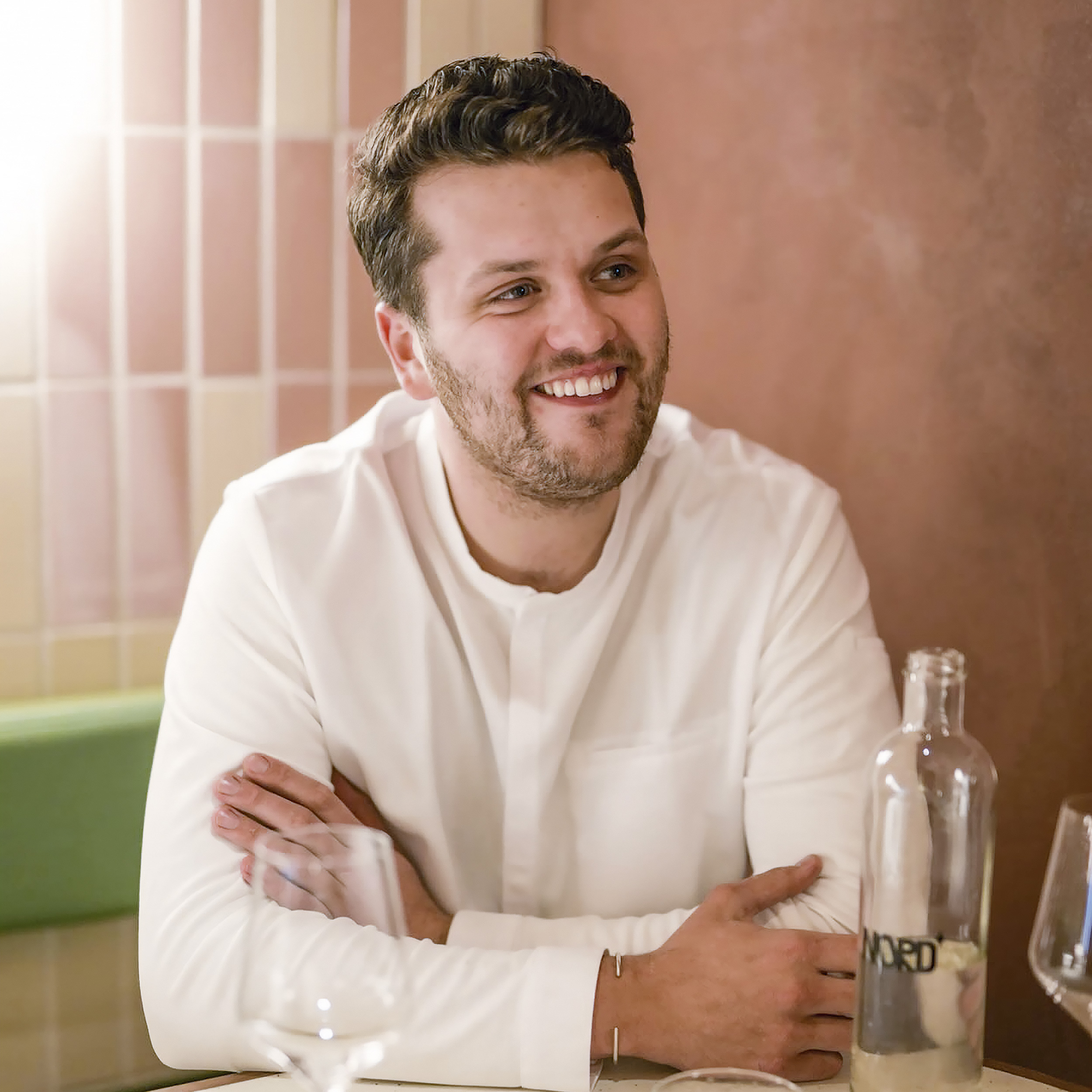
Does a Sea Cadets background give people an edge in the pressurised kitchen environment?
The kitchen is very structured, like the military. You need to be stable because it can be hostile. Communication and responsibility are everything – the same as in the armed forces.
My professional philosophy is completely shaped by my cadet experience. I tell my team, “your job starts before you enter the kitchen”. Clean shoes, proper socks, neat uniform. The little details matter.
Top chefs push through highs and lows. How can cadets build a resilient mindset?
People ask if I was disappointed not to win the Great British Menu – but cadets teaches you that not everyone can be a winner. Sometimes you win, sometimes you don’t. But we always learn more about ourselves when we don’t – and gain extra motivation to come back stronger.
As a cadet, you also learn that you won’t like every activity. And that’s fine. But it’s so important to try it all – because Sea Cadets has a way of showing you what you are good at.
Photos: Great British Menu /Nineteen, NORD
More Advice

Volunteer spotlight: Communications Team
MSSC’s Communications Team is proud to help our volunteers be the best possible ambassadors for our organisation – bringing their unit’s stories to life and enhancing their profile and reputation
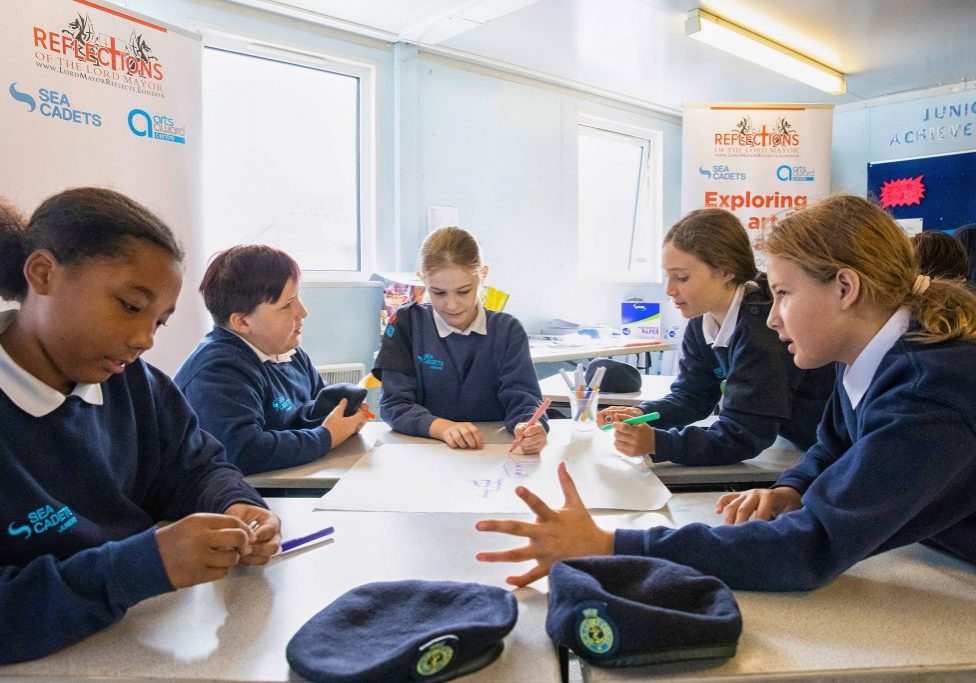
Course spotlight: Arts Award
We’re celebrating an exciting new chapter of creative discovery with the launch of the Arts Award Explore course for Junior Sea Cadets
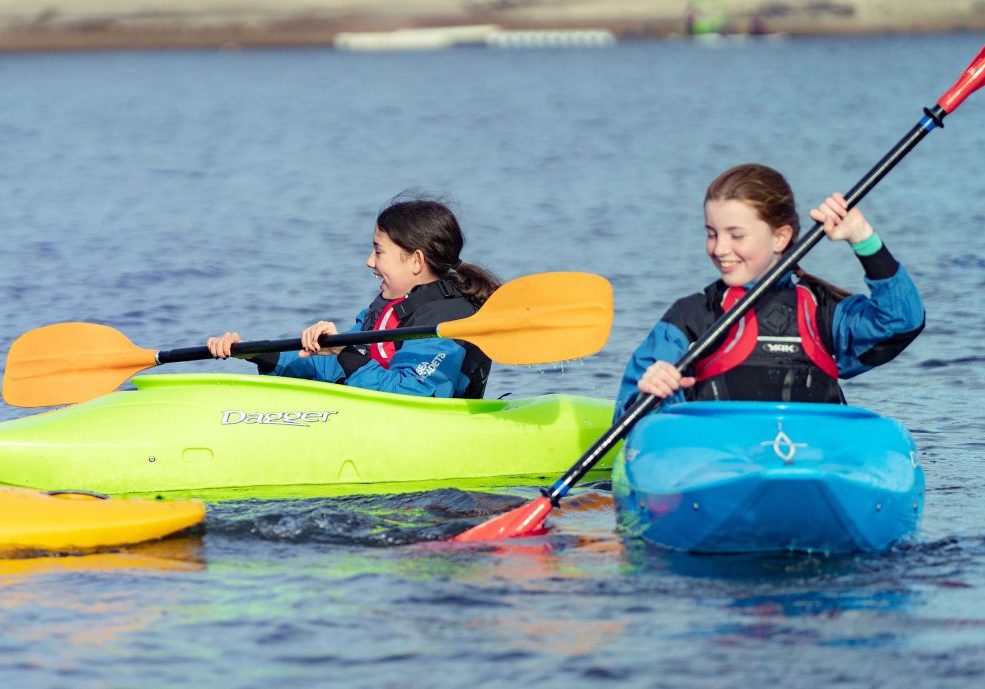
Essential guidance on water safety
The water supports so many of the activities we love, but can be dangerous to even the strongest swimmer – with 400 people drowning in the UK each year. So, keep this vital advice in mind whenever you enter the water (with or without Sea Cadets) and share your water safety knowledge with friends and family.