Careers: how to become a deck officer
Does working on board a ship and seeing the world sound appealing? Find out from a Deck Officer what it's like and see how Sea Cadets can help

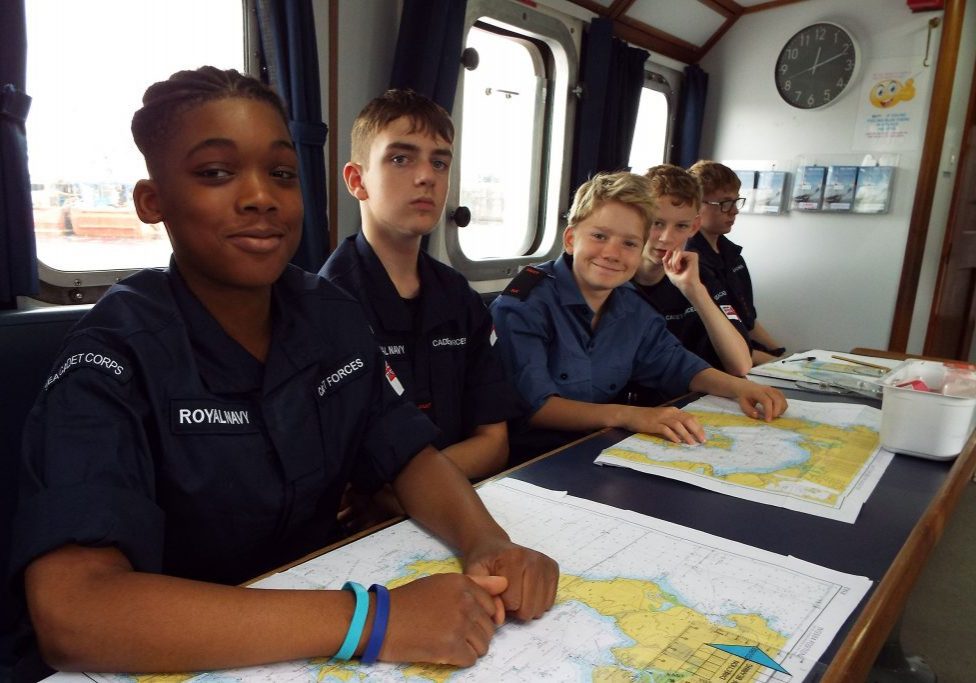
James Charles knew he wanted to work at sea from an early age. At 12, he decided to try out a parade night at his local Sea Cadets unit and hasn’t looked back. “I was impressed by the training on offer,” he says. “I made some very close friends and learned a lot about myself.”
After his A-levels and with career choices to make, James began applying for merchant navy scholarships, and “chose the commercial shipping industry over the Royal Navy based upon the type of ships I wanted to work on.”
Getting started
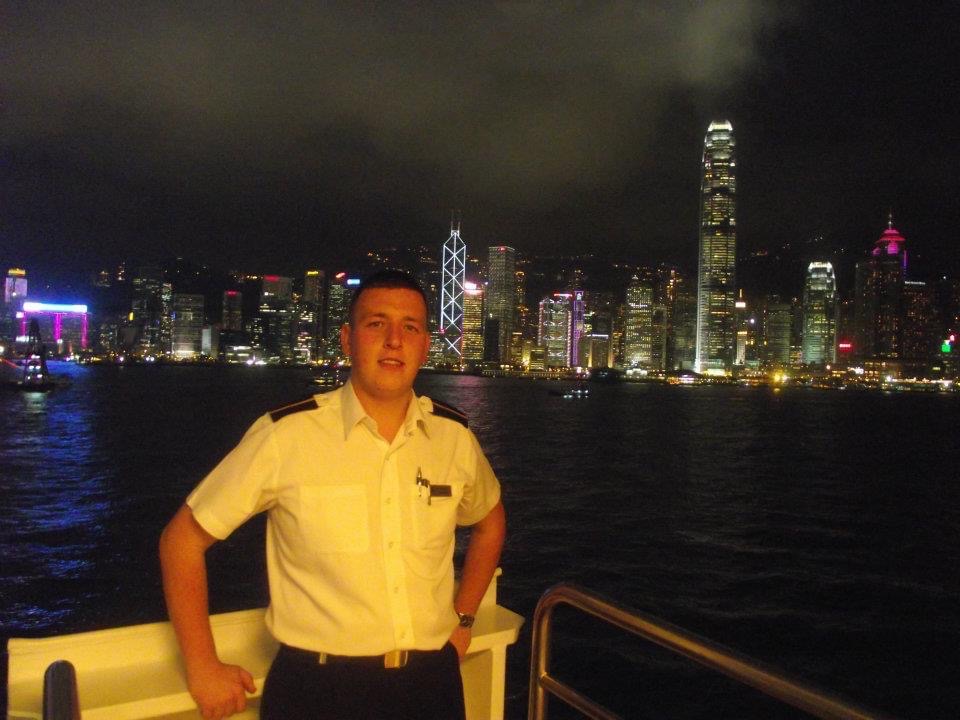
James’s career at sea began 10 years ago at Warsash Maritime Academy in Southampton. “The past decade has been truly incredible,” he says. “As an Officer Cadet, I was fortunate to sail on a range of vessels, from large cruise liners and RoRo [roll on-roll off] ferries to chemical tankers, gaining invaluable insights into how they operate.
“My cadetship included crossings of the Atlantic, Pacific and Indian Oceans as well as a going through the world-famous Panama Canal,” James says
of his early career. “From the Cape of Good Hope off South Africa to the cold climate of Svalbard in the Arctic Circle, this has made for some incredible memories – and interesting stories!”

The day-to-day
After completing his Navigational Officer training, James is now a Second Officer, working rotations of three weeks on duty, then three weeks off. “This allows for a comfortable family and social life,” he says. “Now, with two children, I prefer weekly periods at sea as opposed to months.”
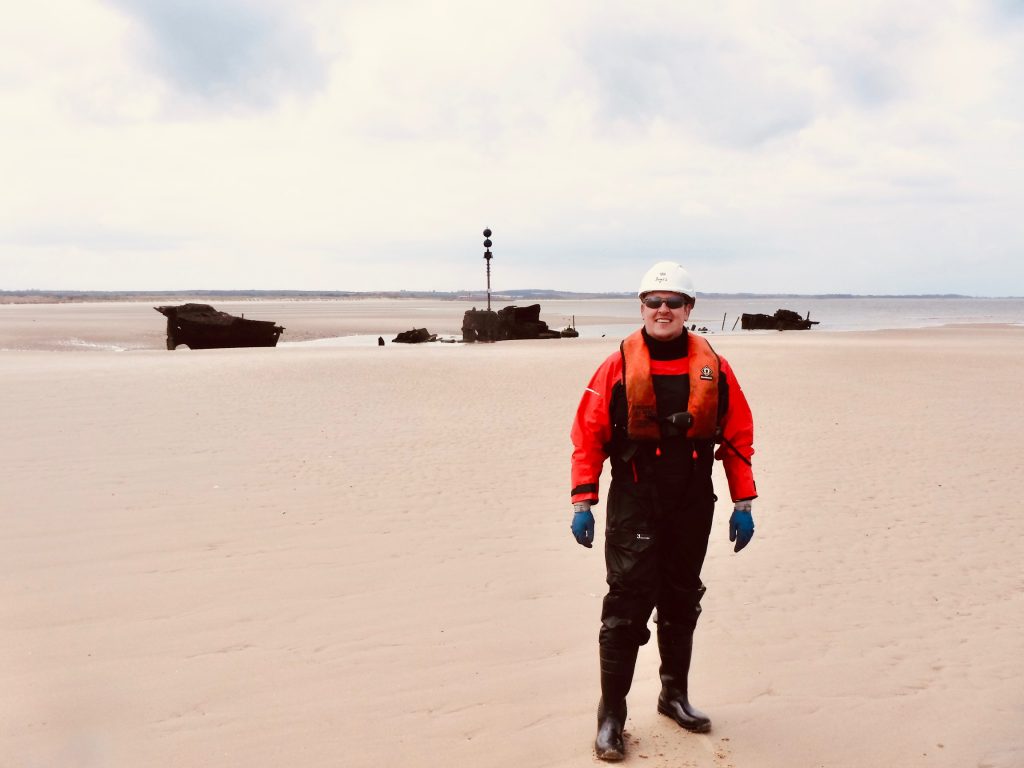
James’s daily duties on board include being responsible for the safe navigation of the vessel as well as maintaining a record of all activity onboard. He is also responsible for the upkeep of the ship’s equipment, particularly life-saving equipment and fire-fighting appliances.
Sea Cadets gave me the confidence and ability to turn my dreams into a reality
James Charles, Deck Officer
Life at sea
Even though James has his dream job, there are still downsides – like any career. “Some days can be very long, if there is an inspection of a particular job planned,” he explains. “The fact that you can’t go home at the end of the day can be a challenge, as can managing shoreside commitments when doing long trips.”
But for James, the benefits outweigh the challenges. “I enjoy the variety of roles, and that no two days are the same,” he says. “There are drills, paperwork and maintenance. Shore time is an advantage, too – and being paid to travel the world!”
James’s next goal is to achieve the Master Mariner certification, then a role in marine pilotage, training and education. He’s also returned to his Sea Cadets roots as an instructor. “Sea Cadets gave me the confidence and ability to turn my dreams into a reality. I am ever grateful to the instructors that helped me, so I wanted to provide these opportunities myself.”
James urges anyone thinking about a career at sea to explore their options: “It offers so many great experiences and pathways to your future. I have no regrets about my career choice and can truly say I thoroughly enjoy what I do.”
3 ways Sea Cadets can help you
1 Independence
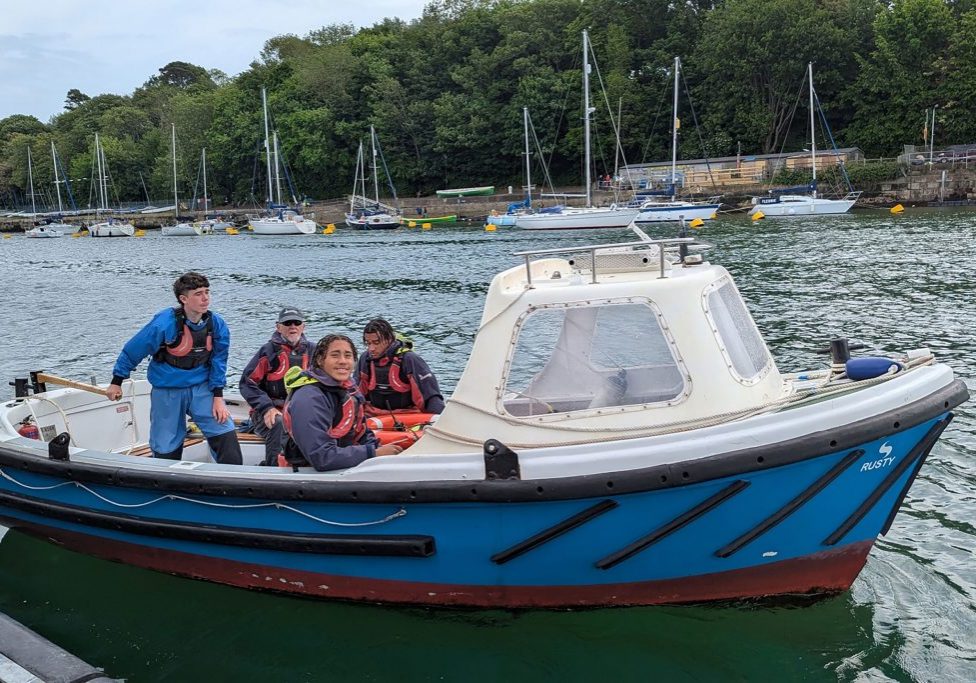
As a cadet you will be used to being away from home, going on adventures, meeting new people and spending time on offshore voyages.
2 Teamwork
When you’re on a ship, it’s all for one and one for all, just like Sea Cadets. There are no emergency services around the corner, so everyone has to look out for each other and play their part.
3 Learning new skills
Cadets can gain qualifications in all sorts of things, from navigation to engineering, which will help give them a head start in a career at sea.
How to get there
Go to careersatsea.org to find how to start a career in the merchant navy.
You will find information on how to apply, as well as links to where you can study and basic entry qualifications.
Training is fully sponsored and includes specialist college study as well as practical experience. Go to careersatsea.org/apply/sponsoring-companies to find out more about the funding that’s available.
Entry qualifications will vary depending on the course and discipline you choose, so check with sponsoring companies when you apply.
More Advice

The Sea Cadets guide to drill
Good drill is at the heart of Sea Cadets’ community presence and is crucial for developing self-discipline, confidence and morale. As we approach the peak of drill competition season, we take tips and advice from two of 2025’s national champions: Petty Officer Cadet Charlie of Poole Unit (Best Squad Commander and Unarmed Squad) and Able Cadet Charlie of Warsash Unit (Commander of the winning Continuity Team).