Careers: How to become a Royal Navy Logistics Officer
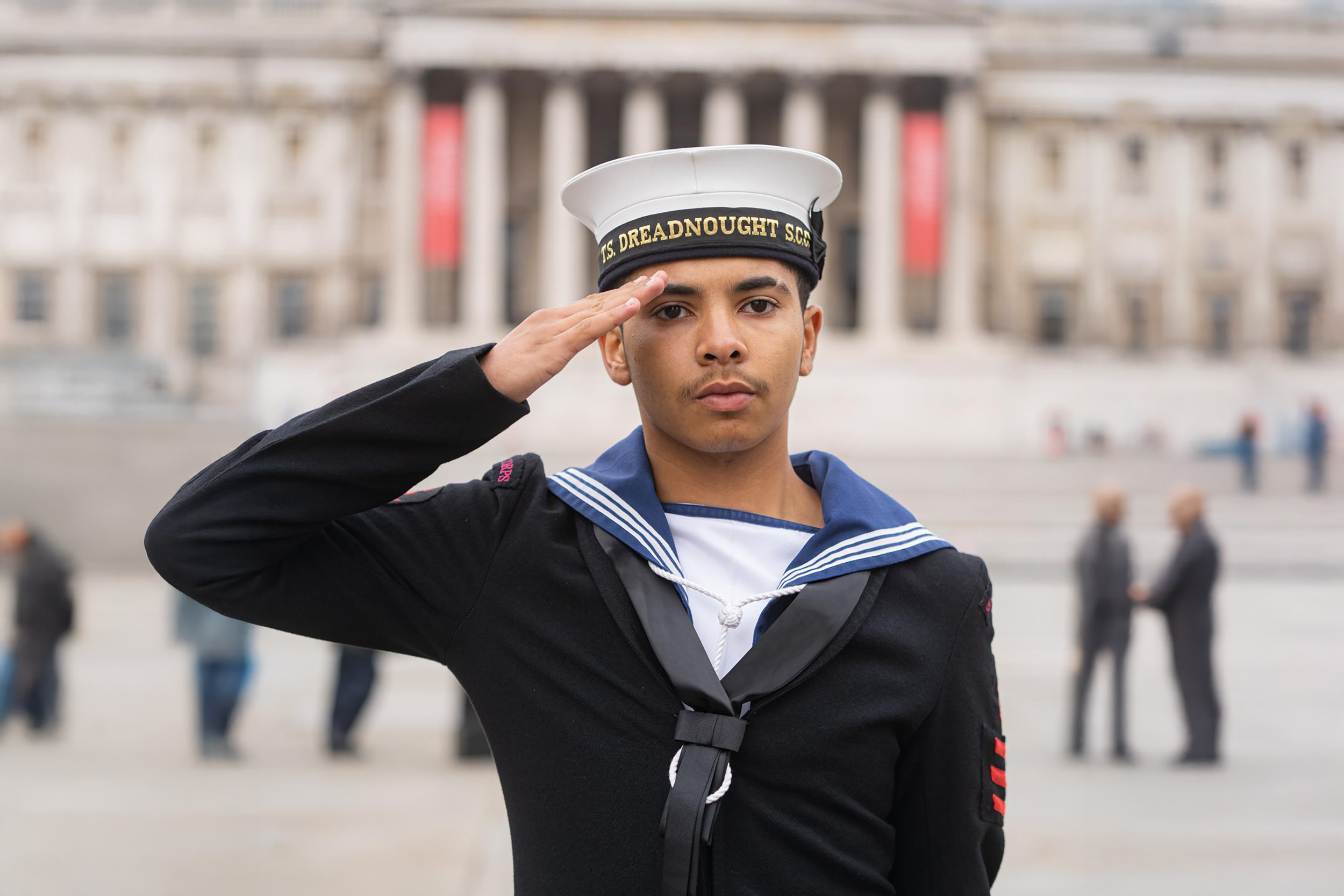
Lt Shaun Omoregbee RN, 21, is a former First Sea Lord’s Cadet and now volunteers with Greenwich Unit in addition to his exciting Navy career
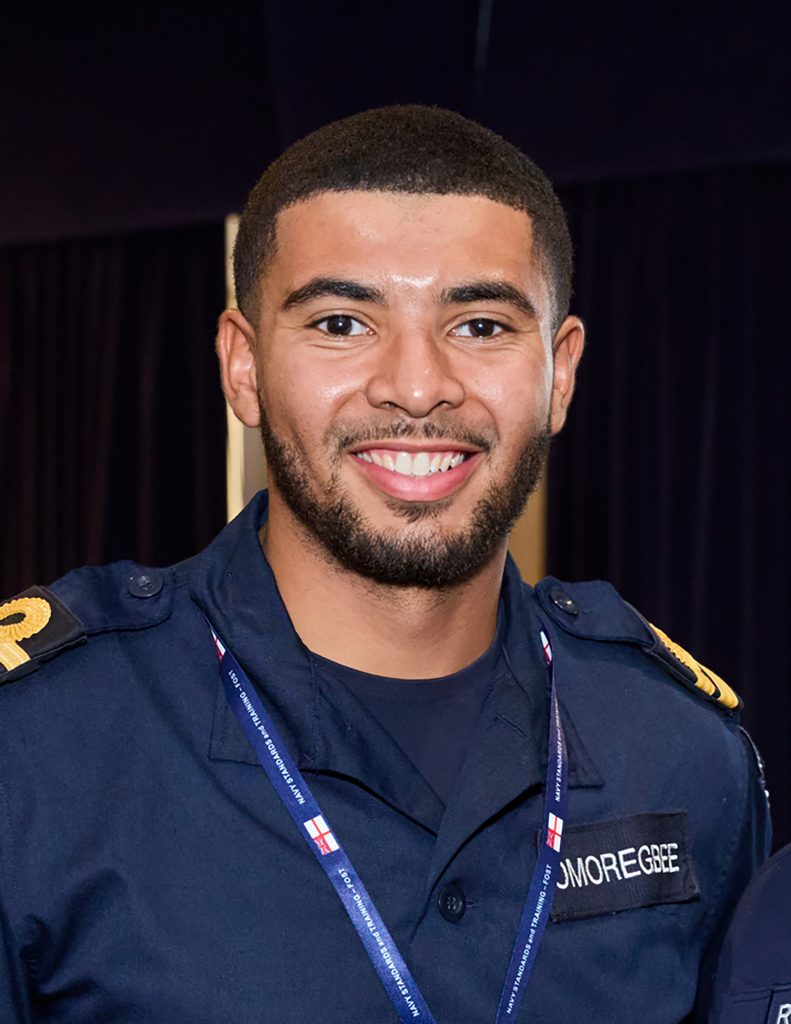
Shaun sees his role as an opportunity to see the world while serving his country
What is your current role and what does it involve?
I am currently the Military Assistant to COMFOST (Commander Fleet Operational Standards and Training). FOST is an organisation which ensures ships and submarines are ready for operations. When the position – which is typically held by a Lieutenant Commander – became available I saw it as an opportunity to take on greater responsibility, work at a higher level and accelerate my professional development. My main job involves coordinating logistics, organising key events and accompanying the Commodore on visits around the world.
What’s the biggest challenge you’ve faced in your career so far?
The biggest challenge I’ve faced has been transitioning from training to a role with real responsibility, while also having to lead and influence more experienced colleagues. Moving from theory into making decisions that affect operations and people required a shift in confidence and communication. I learned quickly that credibility doesn’t come from rank alone, especially as a young officer. So, I focused on listening and asking the right questions – something my time as a cadet taught me.
What’s your favourite part of your job?
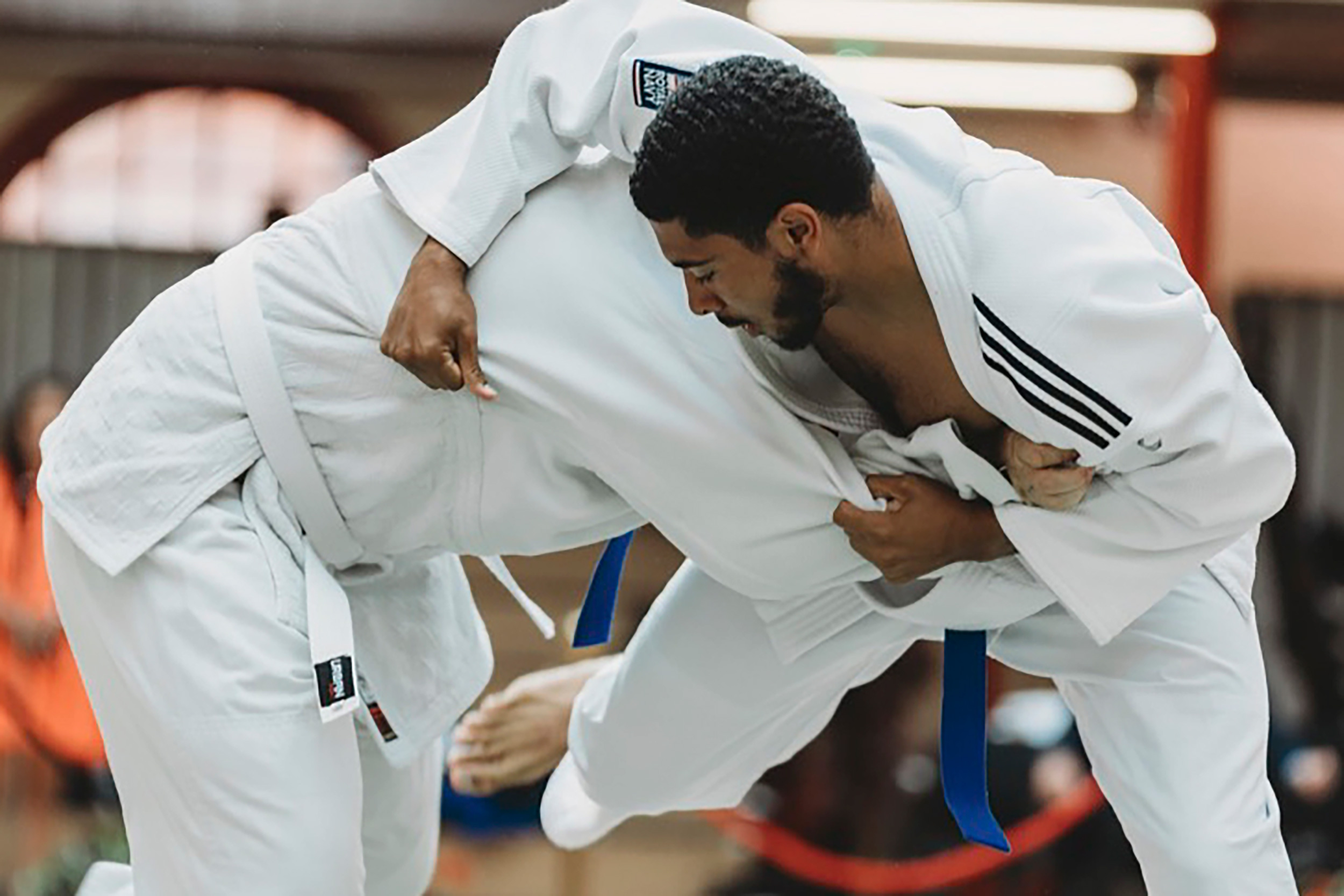
My favourite parts are the travelling and sporting opportunities available. One week I can be in Papua New Guinea and the following week I can be flying onto an Italian ship in the Mediterranean. And with over 40 sports fully funded by the RN, I’ve also enjoyed judo, football, boxing, skiing and parachuting.
Where do you see yourself three years from now?
By then I will have finished my time as the Logistics Officer of a nuclear-powered submarine and will be preparing to deploy to Diego Garcia as Base Logistics Officer. My main goal is to have a career in the Operational Support sector; I hope to become the Head of the Logistics Department on one of the new Type 26 Frigates and, ultimately, the Group Logistics Coordinator of the UK Carrier Strike Group.
How was your experience of initial training?
I really enjoined my time at Britannia Royal Naval College in Dartmouth – a significant culture shock for me, coming from South London! I soon found my place and thrived in the physical aspects of the training, embracing the early morning runs and hill sprints. One of the biggest challenges was trying to pass defence studies, but I got there in the end thanks to the senior mentors I’ve been fortunate to have in my corner.
Where has your Royal Naval career taken you so far?
My first overseas trip saw me on HMS Tamar in Australia for two months, where we travelled to various islands in the South Pacific, including Vanuatu. In my current job, I frequently visit Norway, Belgium, Germany, Cyprus and Italy, often embarking on ships via helicopter.
What’s the biggest piece of advice you’ve carried with you from your time as a cadet?
Say yes to every opportunity! There are so many opportunities available in both the Sea Cadets and in the Royal Navy; many of these may feel outside your comfort zone, but if you don’t say yes to them, you’ll never truly learn what you’re capable of. I’ve gone from saying yes to going offshore at the age of 12, without knowing anyone onboard, to saying yes to going on a parachuting course for the first time in Cyprus.
If you could go back to your first night at Sea Cadets, what’s one thing you would say to your younger self?
There were times I turned down courses or opportunities because my friends didn’t want to go. If I could go back now, I’d tell my younger self to do it anyway, even if it meant going alone, because you’ll always end up making friends along the way.
Photos: Sea Cadets/P Beetlestone, Royal Navy Judo
More Advice
The Sea Cadets guide to drill
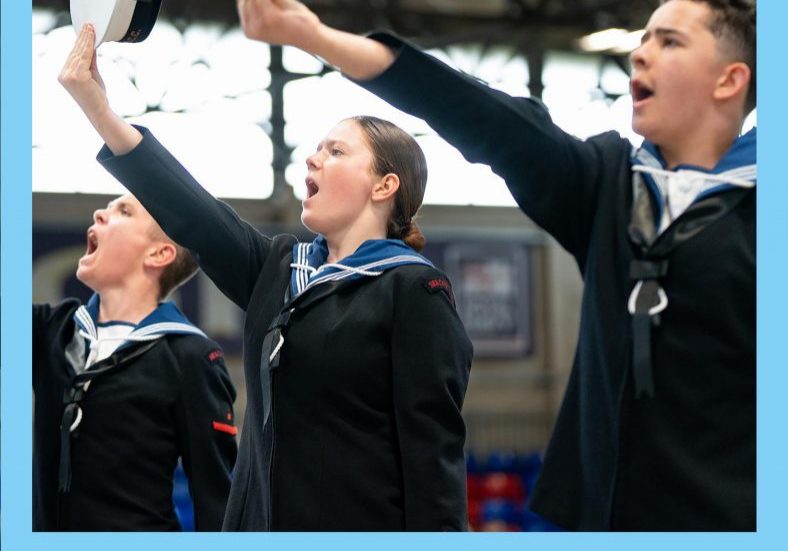
Good drill is at the heart of Sea Cadets’ community presence and is crucial for developing self-discipline, confidence and morale. As we approach the peak of drill competition season, we take tips and advice from two of 2025’s national champions: Petty Officer Cadet Charlie of Poole Unit (Best Squad Commander and Unarmed Squad) and Able Cadet Charlie of Warsash Unit (Commander of the winning Continuity Team).