Course spotlight: Cadet to volunteer
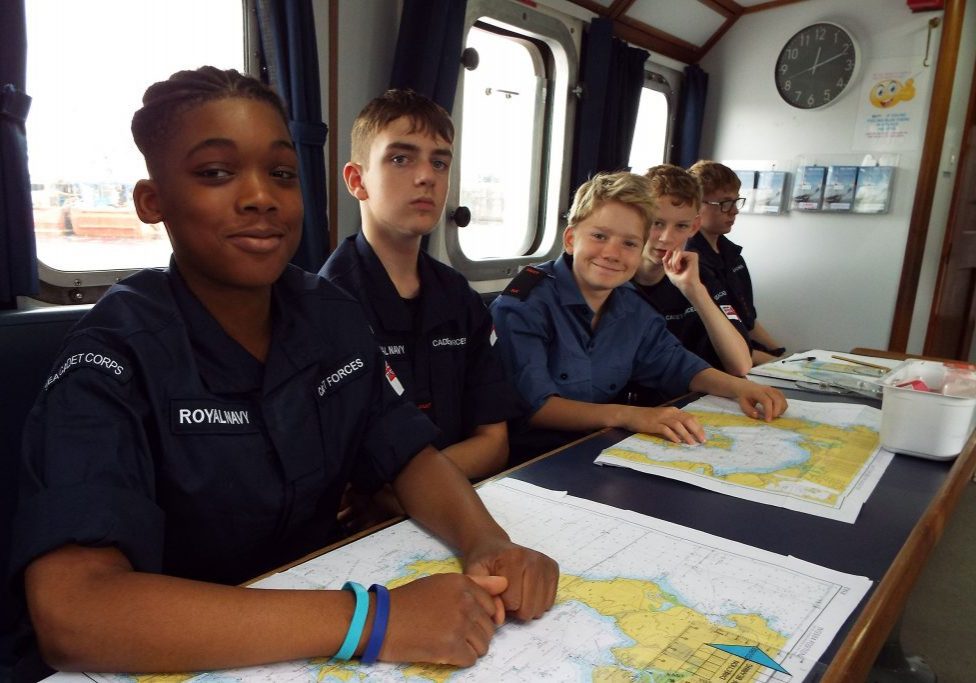
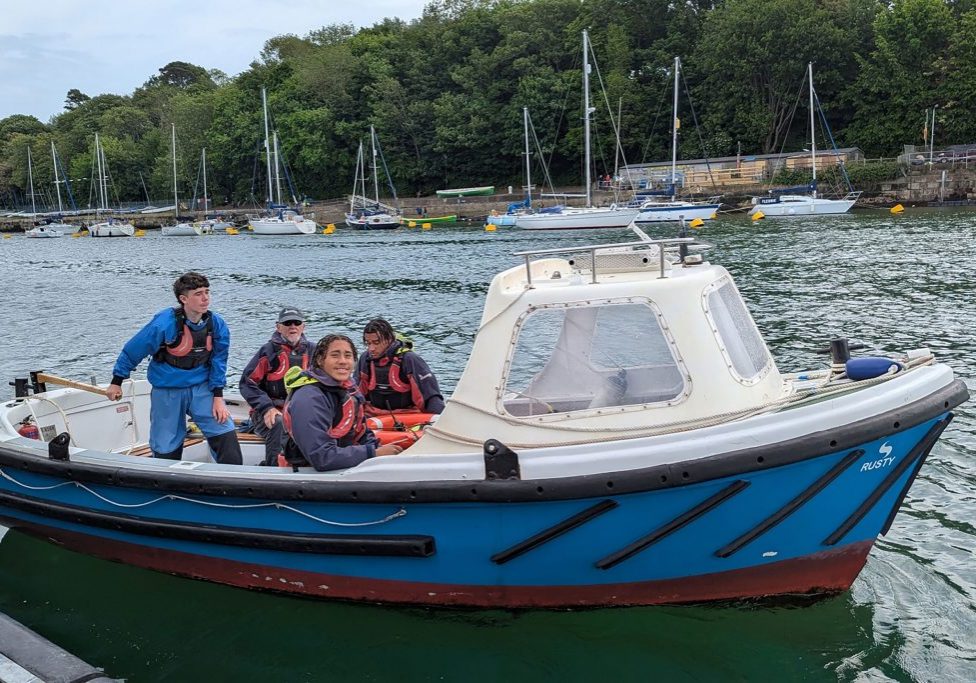
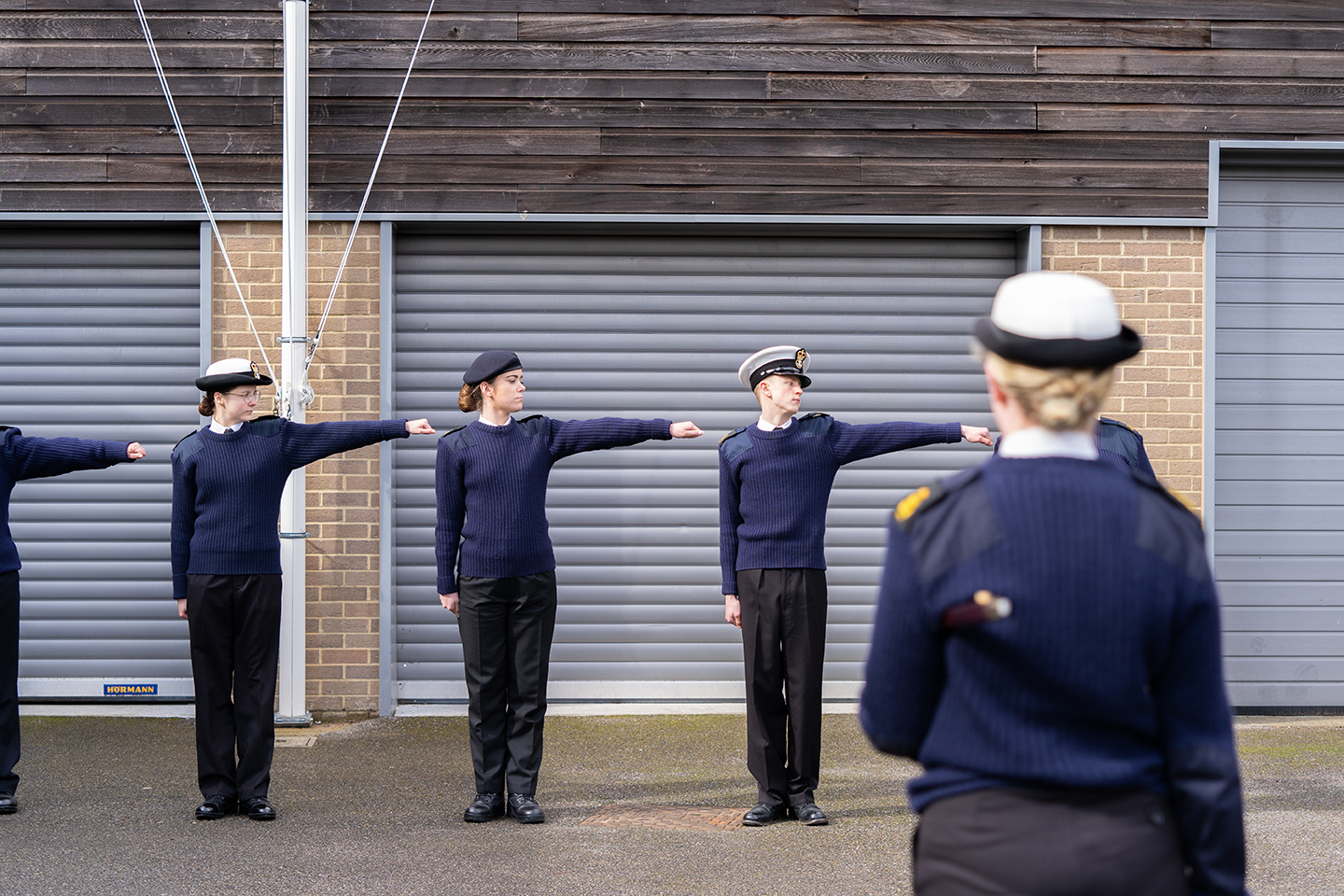
The Cadet to Volunteer (C2V) programme helps cadets become volunteers by building skills, providing experience and supporting them with the application process
Who’s eligible for C2V?
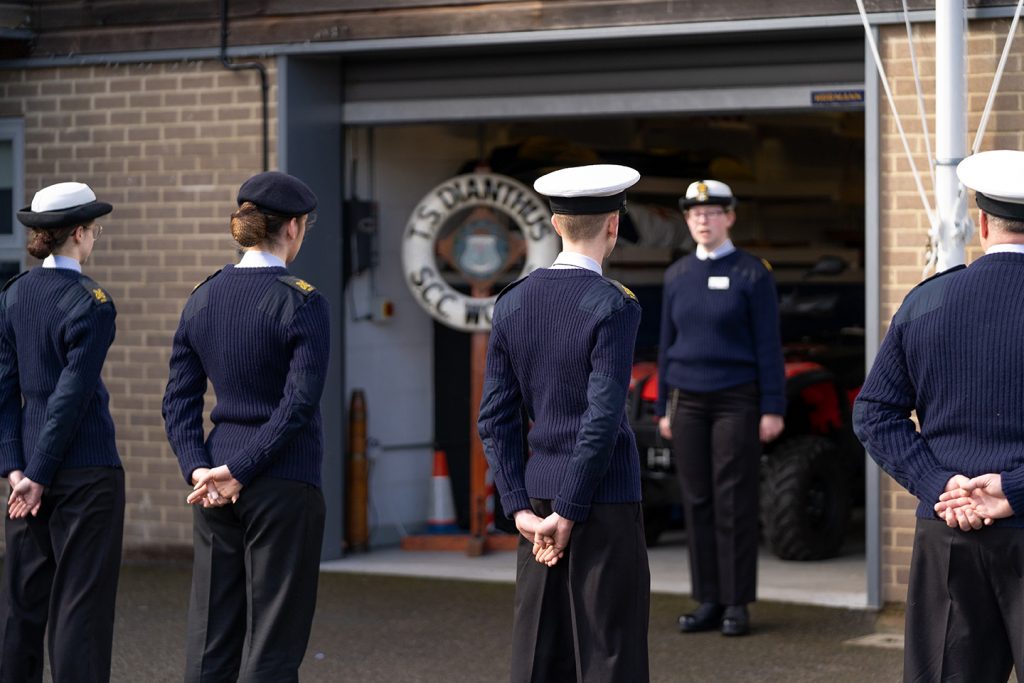
Cadets can start the programme from the age of 16, where they focus on the Cadet Training Programme or Cadet Training Syllabus modules. These lead to the Recognised Prior Learning or Experience for adult core modules. Once a cadet is 17, they go to the C2V course.
What’s involved in the course?
The course consists of four core modules covering Roles and Responsibilities, Safeguarding, Challenging Situations and Building your Toolkit. There are also two Action Learning Sets where, in a group with their peers, cadets discuss issues, challenges and ideas they may have. The group asks questions for the presenting cadet to consider, so they can plan their next steps. Cadets also do supportive activities between each module, conducted at the cadets’ unit. These are all self-guided and practical, to support learning and personal development. When a cadet is nearing ageing out at 18, there’s help completing the key elements of volunteer onboarding, such as preparing for interview and the process of application and disclosure check.
Why should cadets consider moving on to be volunteers?
Cadets gain a wealth of experience and knowledge through their time at Sea Cadets, which can be brought into the volunteer role. They can ‘give back’ to their unit and contribute to the positive experience of younger cadets. It’s also a valuable addition to their professional CV, showing real-world experience and a positive, committed attitude.
What voluntary roles can the cadets adopt on completion of the programme?
Cadets can take on any volunteer role within the Sea Cadet Corps – from a uniformed volunteer or a civilian instructor, through to being part of the Unit Management Team.
Want to find out more?
More Advice
The Sea Cadets guide to drill
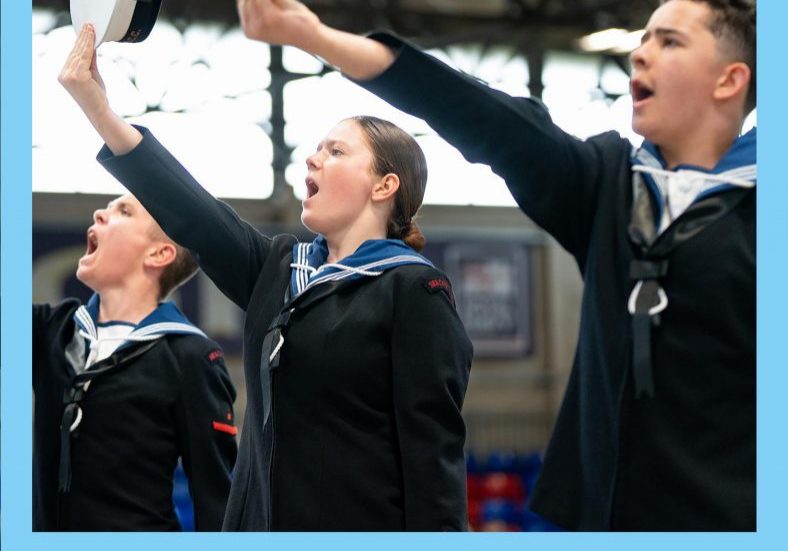
Good drill is at the heart of Sea Cadets’ community presence and is crucial for developing self-discipline, confidence and morale. As we approach the peak of drill competition season, we take tips and advice from two of 2025’s national champions: Petty Officer Cadet Charlie of Poole Unit (Best Squad Commander and Unarmed Squad) and Able Cadet Charlie of Warsash Unit (Commander of the winning Continuity Team).