How to deal with cyberbullying
To mark Anti-Bullying Week, here’s the Sea Cadets guide to dealing with cyberbullying and where to get help and support
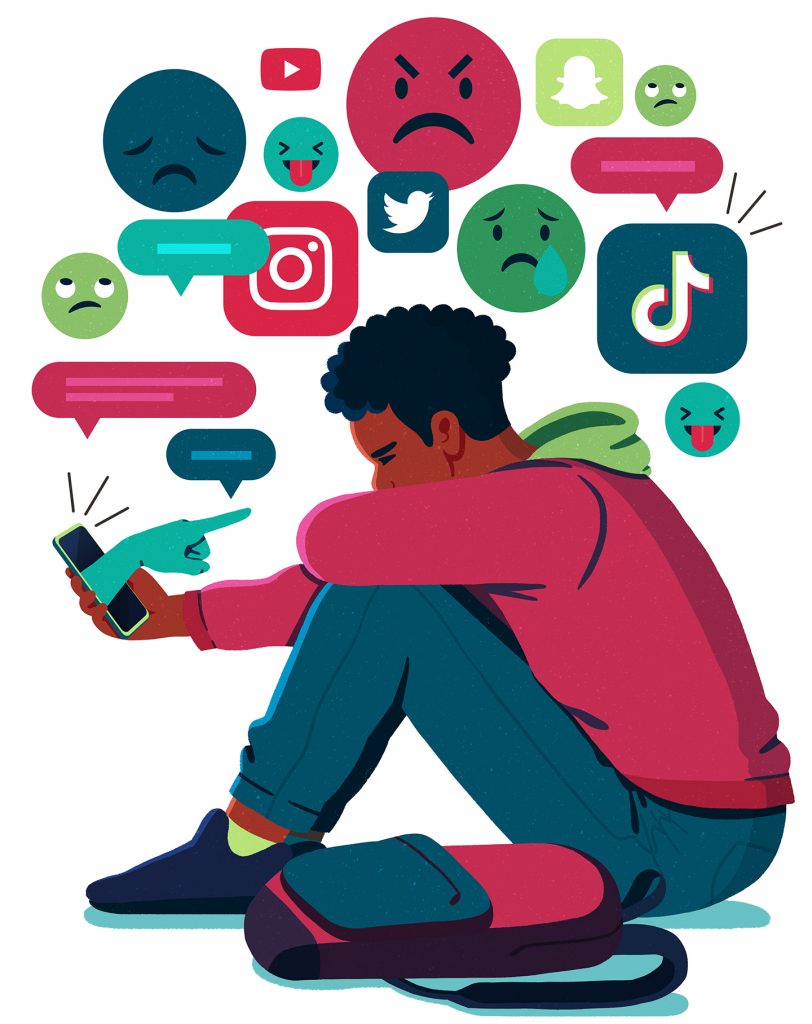
We want everyone to feel happy and safe, but sometimes you might need help if someone is being unkind, either in person or online. Bullying can have a huge impact on mental health and wellbeing. It can cause sad or negative feelings and, for many, the pandemic has made things even harder. Use our guide to figure out if you’re experiencing cyberbullying and what do to.
What is cyberbullying?
Cyberbullying is bullying that takes place online, which means it can follow you anywhere, day and night – at home, school, even at Sea Cadets – via social networks, gaming and phones.
Around one in five children aged 10–15 in England and Wales experienced online bullying between March 2019 and March 2020. That’s 764,000 young people. (Office for National Statistics)
Be firm, and tell them to stop
If that doesn’t work, ignoring bullying won’t make it go away. You need to find the courage to tell someone.
Tell someone
Talk to an adult that you trust like a parent/carer, volunteer, teacher, school counsellor or youth worker. At Sea Cadets, you can show volunteers your blue safeguarding card so they understand why you need to talk to them.
Talk to a friend
If you can’t speak to a trusted adult, ask a good friend to help you report it or do it for you. Talking about it will make you feel better.
Don’t give up
Keep reporting the bullying until it stops, to a trusted adult or to the social media providers where the bullying is happening. Facebook and other platforms have easy ways of reporting abuse, usually found in the ‘help’
or ‘support’ section of the apps.
Don’t put up with it
It is not OK for anyone to make inappropriate or hurtful comments towards you about your ethnicity, gender, LGBTQ+ identity, religious beliefs, abilities or anything else. It is not OK if someone tries to pressure you into sexual or criminal activity – either online or in person. Even if someone says it’s only a joke, or they’re only teasing, if they said something to hurt your feelings on purpose, then it’s bullying.
Remember:
- you have the right to be safe from harm and abuse
- it is not your fault
- there are people and specialist organisations who will listen and help you
- don’t put up with it – no one deserves to be bullied.
Where to get help
Your blue card has information to help you stay safe. Keep it handy in case you need it.

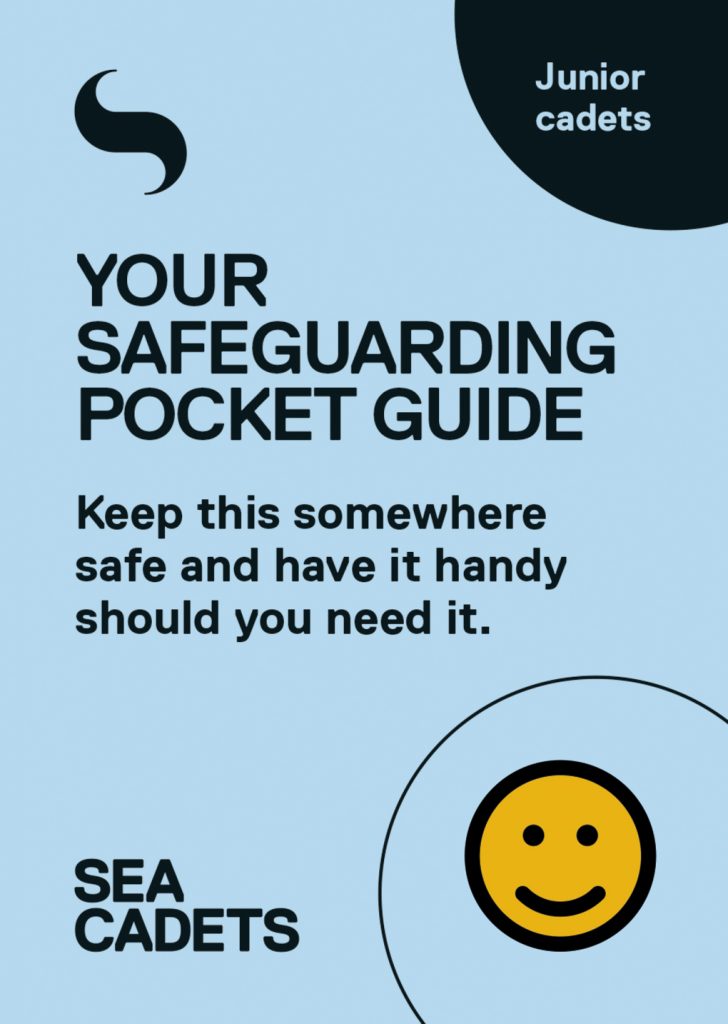
Sea Cadets has its own Safeguarding and Young People Support team.
Contact them at safeguarding@ms-sc.org
There are also lots of professional organisations that can help you:
Contact Childline anytime either online or by calling 08001111.
Find support, chat boards and email counselling at The Mix.
For tips on improving mental health and wellbeing go to Action for Happiness.
Other resources:
Illustration by Geraldine Sy
More Advice

The Sea Cadets guide to drill
Good drill is at the heart of Sea Cadets’ community presence and is crucial for developing self-discipline, confidence and morale. As we approach the peak of drill competition season, we take tips and advice from two of 2025’s national champions: Petty Officer Cadet Charlie of Poole Unit (Best Squad Commander and Unarmed Squad) and Able Cadet Charlie of Warsash Unit (Commander of the winning Continuity Team).