Volunteer spotlight: Safeguarding
Head of Safeguarding & Young People Support, Jane Sales, explains how our policies help to keep everyone safe at Sea Cadets
What does safeguarding mean to Sea Cadets?
Safeguarding is a top priority for Sea Cadets and it underpins all that we do. Our centralised Safeguarding & Young People Support Team is a central hub that manages and oversees support of our cadets, including Cadet Voice, together with any reports of welfare and safeguarding concerns. Safeguarding is the golden thread that runs throughout Sea Cadets, tying together the safe recruitment of volunteers, the training we provide to volunteers and cadets, the encouragement of Cadet Voice, and the welfare support on offer.
How do you build a safe environment?
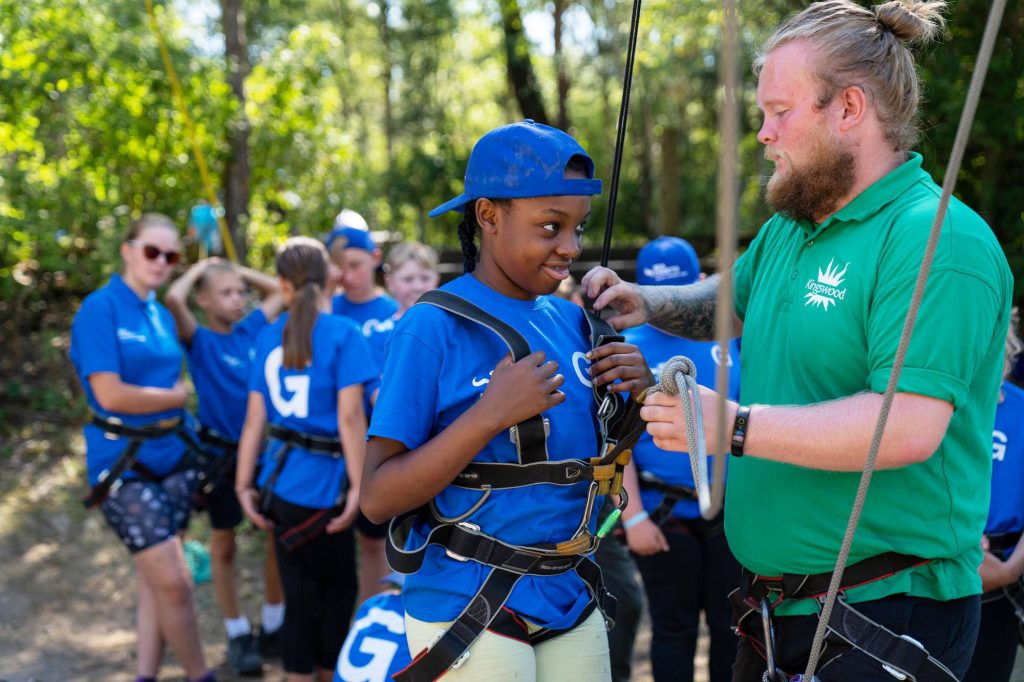
We are a listening organisation, and listening organisations are safer organisations. Sea Cadets creates safe spaces for young people to participate in meaningful activities and build positive relationships with our volunteers, who are safe and trusted adults. This builds an environment where cadets feel able to talk to volunteers if they have concerns, including things that happen at Sea Cadets, at home, in school or anywhere. If a cadet needs help, we can assist them to get the support they need.
What does the safeguarding process look like?
We have robust safeguarding policies and procedures in place that detail the expectations within Sea Cadets for managing and processing safeguarding concerns. All volunteers are issued with a safeguarding pocket guide – the Yellow Card – which details how to manage and handle safeguarding concerns. The team provides professional advice, guidance and coaching to our volunteers, and support to children, young people and their families and carers.
The Safeguarding and Young People Team also leads on all work with external professional agencies, such as children’s services and other local authority professionals, ensuring we operate within the legal and statutory framework for safeguarding, and in line with our duty of care.
When we receive a safeguarding report, the case will be allocated to one of our Safeguarding Officers who then involves the appropriate parties – parents/carers, schools or support agencies.
Can you tell us more about the training?
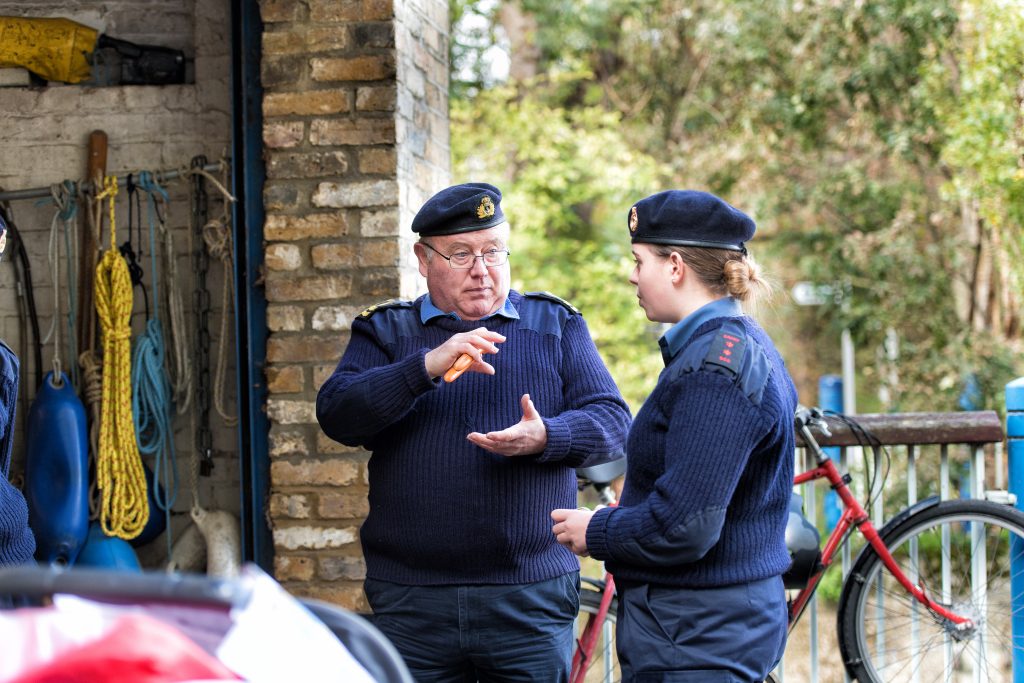
Our training aims to embed the skills, knowledge and confidence for managing and handling safeguarding worries or concerns. All new volunteers must participate in initial online training followed by face-to-face (or virtual face-to-face) training. This forms part of our safer recruitment processes. Completion of these two courses is essential – applications to join will not progress without them – and volunteers must continue to complete mandatory safeguarding training every three years.
Cadets also receive a safeguarding Pocket Guide and have access to SHOUT, safeguarding training specifically designed for cadets. And we are currently looking at how we can expand safeguarding training for our more senior cadets.
What if someone has a concern but are not sure it’s a safeguarding matter?
We recognise that handling safeguarding concerns can be daunting and distressing, especially for volunteers who are new or have never handled a safeguarding concern before. Our door is always open – we are professional, friendly and approachable, and you can ring us with any concern, big or small.
We’d rather people call us to ask about something, than sit and worry about it or let something pass by. We can also receive reports under our whistleblowing process, so the identity of the person reporting something they’re concerned about can be kept confidential.
Where can volunteers find out more?
We operate a 24/7 telephone line so the Safeguarding & Young People Support Team can always be reached. Whether you’re on a residential course or have heard something you’d like to talk about after a parade night, you can call us on 0207 654 7070 or email us at safeguarding@ms-sc.org
For more information, visit our website.
More Advice
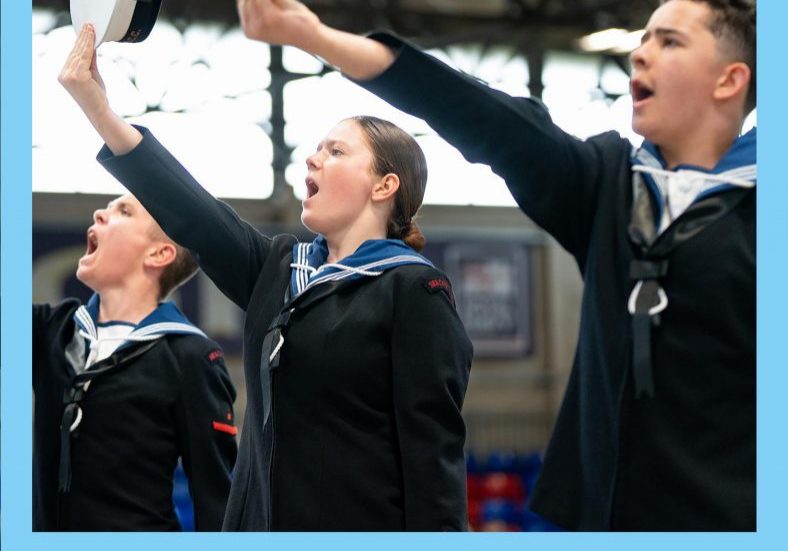
The Sea Cadets guide to drill
Good drill is at the heart of Sea Cadets’ community presence and is crucial for developing self-discipline, confidence and morale. As we approach the peak of drill competition season, we take tips and advice from two of 2025’s national champions: Petty Officer Cadet Charlie of Poole Unit (Best Squad Commander and Unarmed Squad) and Able Cadet Charlie of Warsash Unit (Commander of the winning Continuity Team).