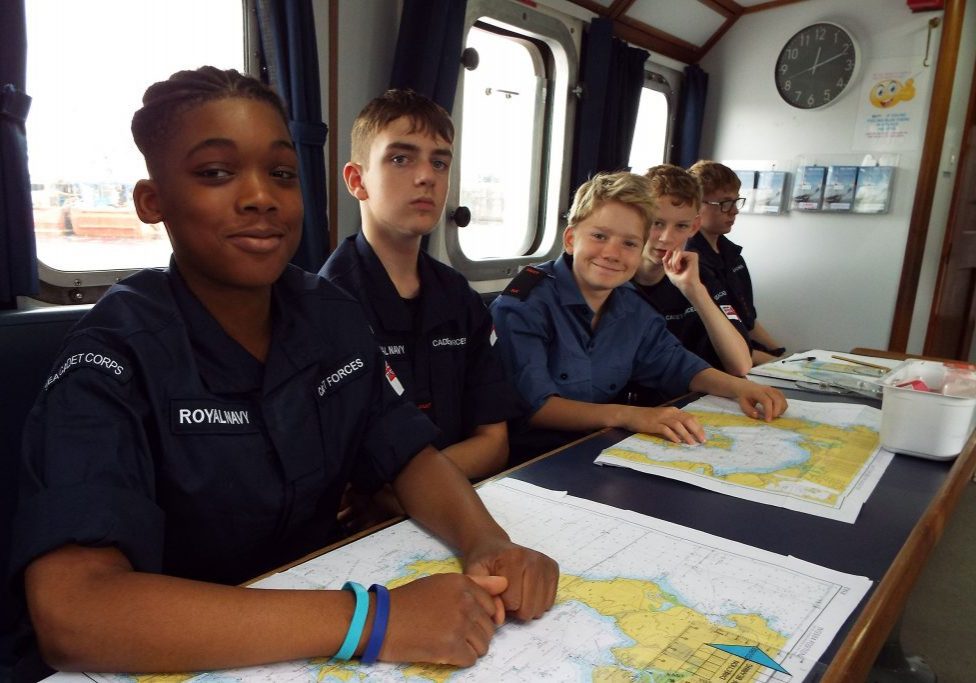
Volunteer spotlight: Training Delivery Team
The delivery of the beyond-unit Sea Cadets Experience relies on thousands of amazing volunteers – and our Training Delivery Team is proud to support their work
What does the Training Delivery Team do?
Our volunteers work tirelessly to coordinate activities encompassing specialisations from catering to seamanship; programmes that include Safeguarding and Juniors; and both land- and water-based proficiencies. They also have a vital role in training instructors and organising and delivering competitions – giving cadets the best-possible range of engaging training opportunities.
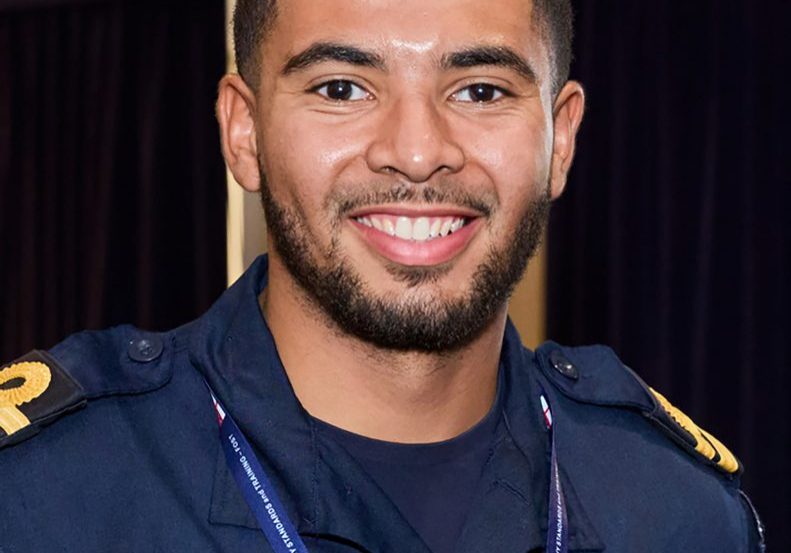
It is therefore crucial that MSSC employees can support the delivery of these activities. The Training Delivery Team starts by working with Westminster data to develop our understanding of what needs to be delivered on the ground in each area and district. Key to this strategic approach is Tye Shuttleworth, the Assistant Director of Sea Cadets Learning. Tye’s role is to work with the whole team, including our area Training Managers and the Learning Development and Volunteer Support Teams, to ensure we have the right training being delivered for volunteers. Tye also oversees the crunching of the data, which allows us to respond to the demand for the courses cadets want across the UK.
How does the team support volunteers?
The challenge is endeavouring to have the right volunteers trained in the right activity, so it’s also the Training Delivery Team’s job to make sure there are plenty of instructors who have the right qualifications, competence and confidence, and are safe to run training.
Our Training Centre Team leads on the delivery of our Leadership Programme for volunteers, including Leadership@Sea Cadets, Leading a Sea Cadets Unit and Junior Staff Officer courses. Our Programmes & Virtual Training Manager, Amy Fletcher, supports engagement with opportunities including BTECs from Cadet Vocational College, Duke of Edinburgh’s Awards and CyberFirst courses.
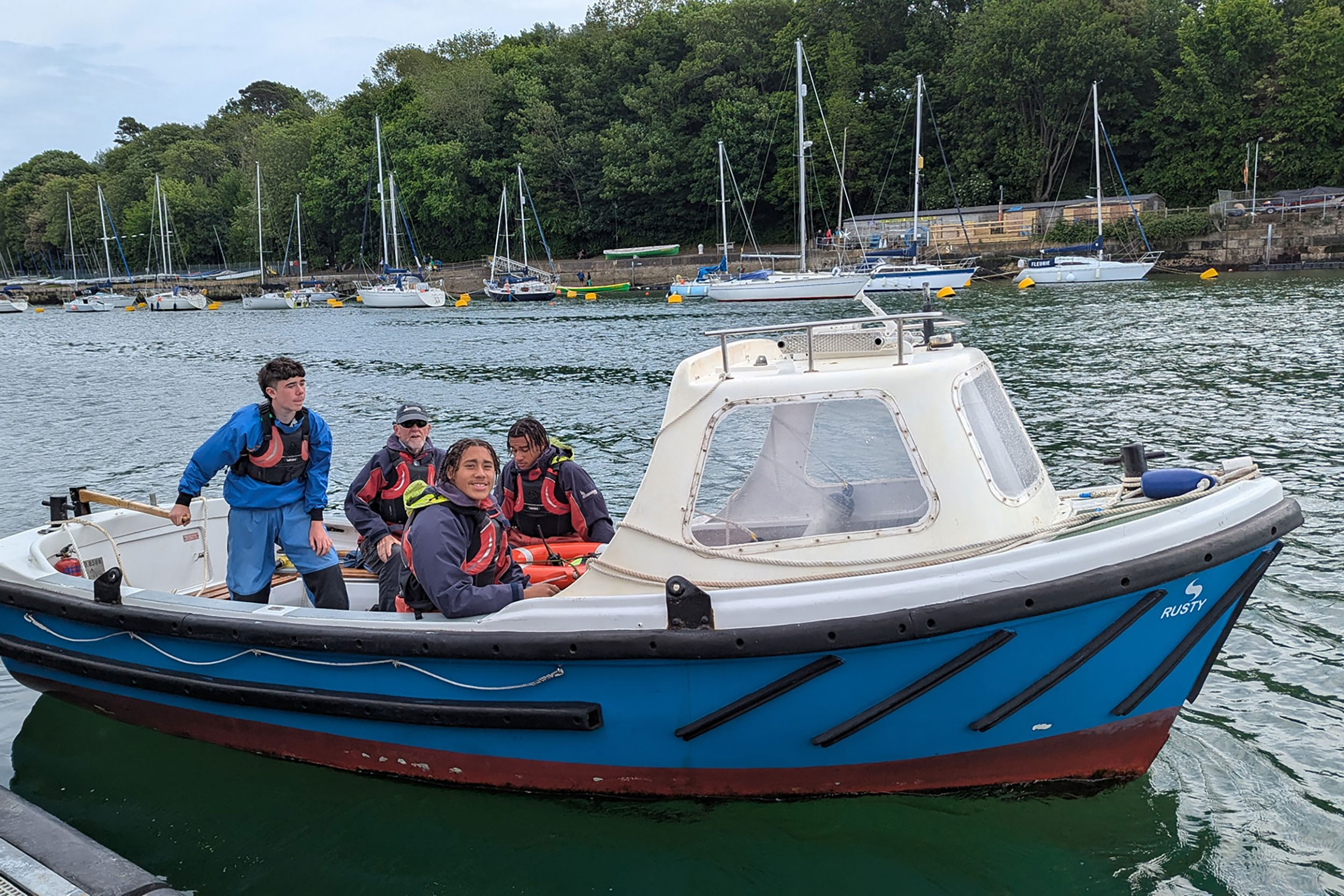
Our Inshore Boating Team delivers specialised waterborne training for cadets and volunteers, which includes everything from mastering sailing dinghies to gaining Royal Yachting Association and British Canoeing Awarding Body Instructor qualifications. They also host units at our national boat stations and support local hubs across the UK, with the occasional trip to help train volunteers at more distant units, including Malta.
The key to the smooth delivery of training is our Course Bookings Support Team, Jon and Janet. They ensure that course administration is completed on time; cadet contributions are paid via the Sea Cadets Portal; parental/school consent is given; bursaries are coordinated and when things don’t go to plan, refunds are given.
Cadets can view and express interest in courses via the Sea Cadets Portal website. All volunteers (along with unit parent and supporter members) can see courses on Westminster and via the Volunteer Portal, which is accessible through the Defence Gateway website. This also hosts our digital learning courses on the Defence Learning Environment.
Frequently asked questions
1. What is a Cadet Contribution, and where does it go?
When a cadet books onto a course they are asked to make a contribution to the running of training. The contribution is a fraction of the cost of running a course; it adds to our training delivery budget and helps us maintain the level of delivery appropriate for a growing cadet force.
2. What inspires updated courses and training?
Feedback and data! We are always looking to improve, and the Training Delivery Team works closely with the Development Team and our instructional volunteers to continually improve our offer.
3. How can volunteers get involved in training delivery?
Any volunteer can become an instructor with the right prerequisites and training. We tend to offer training in subjects where we really need instructors: recent years have seen us focus on delivering First Aid instructors, as all our 9,000 volunteers need to have an emergency First Aid qualification.
Photo: Sea Cadets
More Advice
The Sea Cadets guide to drill
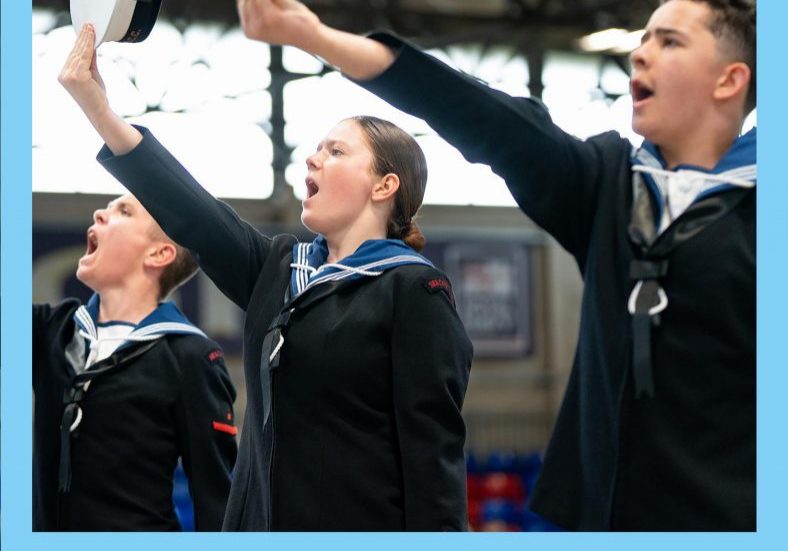
Good drill is at the heart of Sea Cadets’ community presence and is crucial for developing self-discipline, confidence and morale. As we approach the peak of drill competition season, we take tips and advice from two of 2025’s national champions: Petty Officer Cadet Charlie of Poole Unit (Best Squad Commander and Unarmed Squad) and Able Cadet Charlie of Warsash Unit (Commander of the winning Continuity Team).